Introduction
I still remember the first time I got a brand-new building block set. Back then, I didn’t care about instructions—I just wanted to create something of my own. Most of my builds were wobbly and unstructured, but that never took away the joy. Years later, I still love building, whether it’s a detailed brick building set or a simple creative design. Every build is a new challenge and a new adventure.
If you’re just starting out or looking for the right building block sets for yourself, you might have a few questions. Which brand should you choose? What are the basic building techniques? How do you progress from simple sets to more complex creations? Many beginners find themselves wondering the same things.
That’s exactly why this guide exists. We’ll cover everything you need to know, from choosing your first building block set to mastering basic techniques and moving on to more advanced builds. If you're ready to explore the endless possibilities of building, let's get started!
What are Building Blocks?
For me, building block sets are not just children's toys—they are tools for creativity and imagination. Each small piece, when connected, can become anything from a simple house to a complex cityscape or even an entirely original creation.
Building block sets consist of interconnecting pieces, allowing builders to create at different levels of complexity. Whether you’re starting with basic structures or moving on to intricate designs, these sets provide endless opportunities to transform ideas into reality.
Definition and Purpose of Building Blocks
Building blocks are small, interlocking pieces that can be combined in many ways to create structures, models, and intricate designs. On the surface, they may seem like simple toys, but their potential extends far beyond entertainment. From basic houses to complex mechanical models, these sets offer an expansive canvas for creativity and learning.
For me, the true purpose of building blocks is not just to create shapes or objects. They're tools for sparking creativity. Designing a house, constructing a car, or even building an entire city—building blocks let us transform our ideas into something real. The act of connecting pieces doesn’t just boost creativity; it helps improve motor skills and spatial awareness. Through every build, I learn how to tackle challenges, plan each step, and bring a vision to life.
A typical building block set contains various shapes and sizes of pieces that interlock in specific ways. This variety opens up endless possibilities, whether you're constructing something simple or diving into complex mechanical models. These sets are meant for all ages—young builders starting their first project and adults looking for a creative challenge. For kids, building blocks help develop fine motor skills and patience. For adults, they offer a fun way to hone design skills and solve problems.
For me, the joy of building blocks is seeing something simple evolve into something intricate and real. When I complete a build, there’s immense satisfaction in watching my ideas take shape. It's more than a pastime; it’s a mental break from the busyness of life. With every build, I not only develop new techniques but push my limits, taking on more complex projects and improving my skills.
Overall, building blocks do more than just entertain. They're a pathway to developing creativity, enhancing motor skills, and solving problems. Through these small pieces, we build more than objects—we build confidence, satisfaction, and life skills that extend beyond the world of blocks.
Types of Building Block Set
Building blocks can be classified in several ways. The most basic classifications typically include the following aspects:
1.By Material
- Plastic Building Blocks: These are the most common type. Brands use high-quality plastic for durability and vibrant colors, ideal for building various structures.
- Wooden Building Blocks: Great for younger children, these eco-friendly blocks are made from natural wood and offer a more tactile, organic building experience.
- Metal Building Blocks: Designed for larger or more mechanical structures, metal blocks are often used for building more robust models like robots or mechanical devices.
2.By Function
- Basic Building Blocks: Simple shapes perfect for beginners or kids, ideal for constructing basic structures like houses or vehicles.
- Functional Building Blocks: These come with added features like motors, gears, or lights, allowing you to explore mechanical or electronic building.
- Mechanical Building Blocks: These sets include moving mechanisms, like robots or mechanical arms, adding interactivity to your builds.
3.By Theme
- Architecture and City Building: Build cities, bridges, and houses, with sets like LEGO’s City series.
- Vehicles: Sets focused on cars, trains, and spacecraft, ideal for automotive and aviation enthusiasts.
- Figures and Animals: Perfect for creating detailed models of people, creatures, or animals.
- Science and Space: Sets themed around space exploration and scientific discoveries, ideal for those passionate about science.
4.By Assembly Method
- Snap-together Blocks: Common type where blocks interlock. LEGO is a popular example, making sturdy, long-lasting structures.
- Magnetic Building Blocks: These blocks use magnets for easy and quick assembly, often suitable for younger children.
- Clip-based Building Blocks: These sets use clips or connectors to hold pieces together, offering different building possibilities compared to snap-together blocks.
5.By Age Group
- Kids Building Blocks: Larger pieces and simple designs, helping kids develop motor skills and hand-eye coordination.
- Teenage Building Blocks: More complex sets that encourage older children or teens to think creatively and solve problems.
- Adult Building Blocks: Designed for adults with more intricate designs and complex builds, such as architectural models or famous landmarks.
Why Build with Blocks?
Building with blocks isn't just a childhood game. It's a fun way to unleash creativity, relieve stress, develop patience, and solve problems. Each building block set offers a unique experience, letting you discover new joys while building. Whether you're a beginner or looking to challenge yourself with more complex projects, the world of blocks offers endless possibilities. In this section, I'll share why building with blocks is not only fun but also has unexpected benefits.
Promoting Creativity and Problem-Solving
The first time I picked up a building block set, I knew it was more than just a toy. Each piece holds the potential to unlock creativity. When I build, I’m not just putting pieces together—I'm creating something new, challenging my imagination, and refining my execution. Every build is a chance to push boundaries and think in ways I never thought possible.
Building blocks encourage me to step outside the box. A simple brick building set, when re-arranged, can become something entirely different. Each project expands my thinking, helping me learn new ways to approach problems. I’ve found that the key to creativity is not being afraid to try different solutions and take risks.
At a deeper level, building blocks have strengthened my problem-solving abilities. When I tackle complex designs, setbacks are inevitable. Sometimes, pieces don’t fit as expected, or the structure isn't stable. In those moments, I take a step back and reassess. Problem-solving becomes a process of continuous improvement—adjusting, testing, and trying again. This trial-and-error approach doesn’t just help me build structures; it teaches me to tackle life’s challenges from multiple angles and never give up.
I remember when I worked on a project with moving parts. It required every piece to interlock perfectly. There were moments when things didn’t work, but each attempt was an opportunity to learn and improve. The satisfaction I felt was not just from the finished model, but from overcoming the obstacles along the way.
Through building blocks, I’ve learned valuable lessons about perseverance, creative thinking, and problem-solving. They’ve shown me how to stay calm in difficult situations, learn from mistakes, and find new solutions. Every set I complete is not just a project; it’s a testament to my growth, a reminder that the journey is as important as the destination.
Stress Relief and Mindfulness
I've always found that building with blocks isn’t just about creating something physical—it’s a way to relax and clear my mind. There’s something incredibly calming about focusing on each piece, picking it up, and finding the right place for it. I’ve spent hours working with different building block sets, and each time, I feel my stress melt away as I build.
For me, building blocks is a natural form of mindfulness. By focusing on each piece, my thoughts quiet down, and I can fully immerse in the task at hand. I don’t think about work, personal problems, or anything else weighing on my mind. It’s just me, the bricks, and the task in front of me. The act of putting one brick after another helps me disconnect from the noise and chaos around me and focus on something soothing.
As I see my structure take shape, I feel a growing sense of accomplishment. The concentration required to align each piece just right creates a moment of mindfulness that brings me back to the present. After finishing a build, I often feel refreshed, more grounded, and less anxious.
I’ve even shared this experience with friends and family. Sometimes, when life gets overwhelming, I invite them to build together. We each take a moment to enjoy the rhythm of assembling, creating without pressure. It’s a form of stress relief, not just from the task, but from life itself.
Building blocks aren’t just toys—they can be a way to find peace and release tension. When I build, I’m not just working with pieces of plastic; I’m finding a way to calm my mind and embrace the present. It’s a simple but powerful way to care for my mental well-being, and I’ve noticed it’s become an important part of my routine to stay relaxed.
Fosters Patience and Persistence
Building with blocks has a unique way of teaching patience and persistence. I remember when I first started building large sets; I would sometimes feel frustrated when pieces didn’t fit right, or I couldn’t find the right part. It’s easy to get discouraged, but what I learned over time was that every building block set, every step I took, brought me closer to the end goal. I had to keep going, stay calm, and look at things from a different angle.
One thing I’ve noticed about building with blocks is that it’s not about speed. The process requires you to slow down and focus. Sometimes I would rush through a step only to realize I missed something important. But that’s where patience comes in. It’s about taking your time and understanding that mistakes are a part of the journey.
What I love most is the persistence that comes with each set. No matter how complicated a brick building set looks, there’s always a way to make it work. You may have to try a few different methods or go back and fix things, but eventually, the pieces fall into place. Over time, this process teaches you not to give up easily, even when things seem challenging.
Building blocks aren’t just about creating something beautiful; they help us learn to stay determined, even when the task seems difficult. Every time I finish a set, it feels like a small victory. The patience and persistence required to complete it carry over into other areas of my life. It’s a reminder that with a little effort, every challenge can be overcome.
How to Choose the Right Building Block Set for You
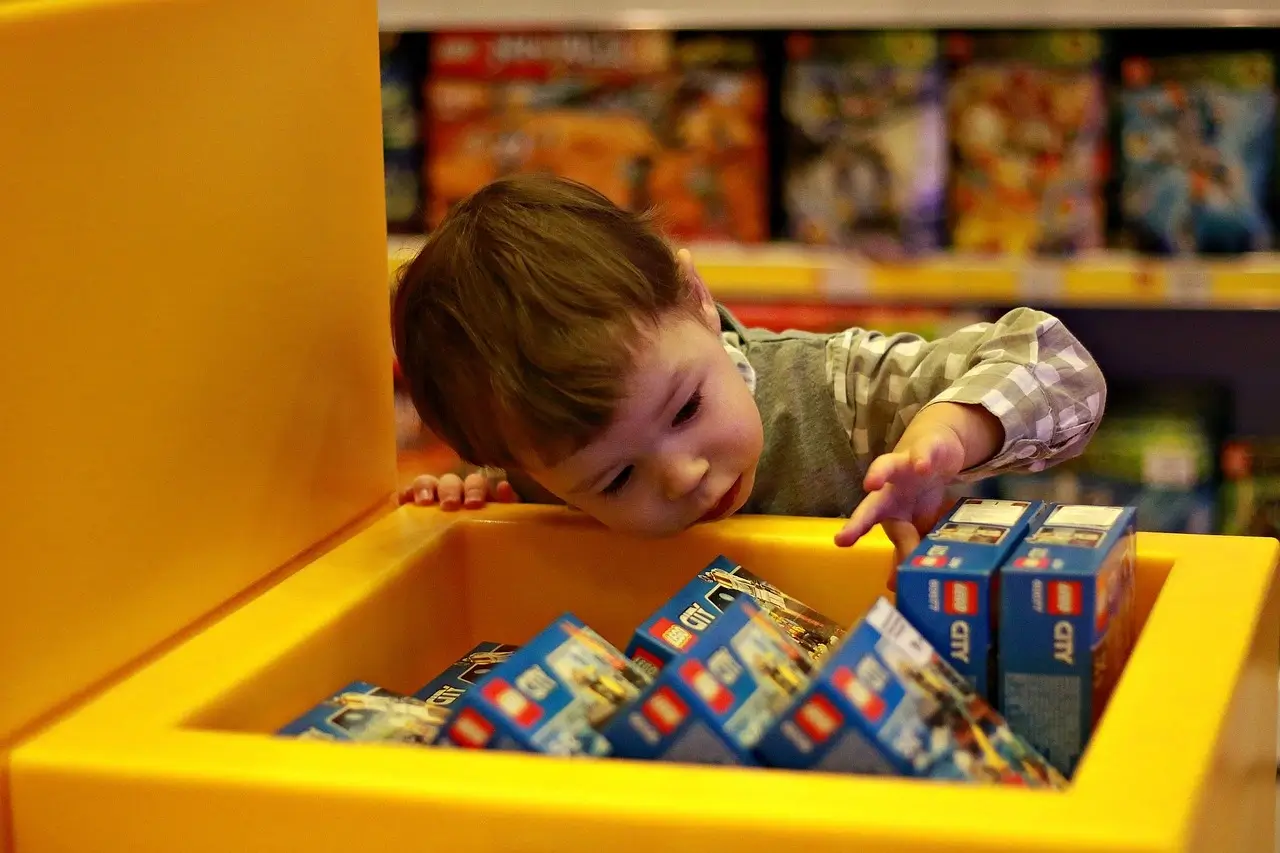
Choosing the right building block set depends on several factors. Age plays a big role—toddlers, kids, and adults all have different needs. Interests matter, too, whether it’s vehicles, architecture, or fantasy worlds. Brands offer unique styles and features, while budget influences the final choice. Let’s go through these key points to find the perfect brick building set for you.
Choosing Based on Age
When selecting the right building block set, age is a crucial factor. As children grow, their fine motor skills, creativity, and problem-solving abilities improve. Therefore, the right building block sets vary for each age group. Understanding this helps ensure you choose the perfect building set that fits the developmental stage, offering the most fun and challenges for everyone.
For Toddlers
For toddlers, safety and ease of handling are the most important factors when choosing a building block set. Since their fine motor skills are still developing, it’s best to choose building block sets with large pieces and simple designs. At this age, children aren’t yet ready for complex builds, so a set with larger, easier-to-grip pieces is ideal. These sets should be safe, with no small parts that could be a choking hazard. Brightly colored blocks with simple shapes help stimulate their curiosity while allowing them to build basic structures like small houses or animals.
I remember when I started playing with a building set as a toddler. It was made of larger pieces that were easy to snap together. I was able to create simple things, which helped me understand shapes and colors. For toddlers, brick building sets with larger pieces encourage early development in spatial awareness and coordination.
For School-age Kids
As kids get older and begin school, they are ready for more complex building block sets. This age group can follow instructions more easily and can manage a wider variety of pieces. These building sets should encourage creativity, problem-solving, and fine motor development. Kids this age love having more pieces to work with and can handle building more detailed and intricate models.
I recall when I started building more challenging models with my building block sets. I would follow the instructions to create buildings and vehicles, which taught me how to think critically and plan ahead. These sets should offer more freedom in design, allowing children to experiment with their own creations while also following guidelines. Sets with hundreds or even thousands of pieces provide an opportunity for kids to develop patience and persistence, all while improving their problem-solving skills.
School-age children’s building block sets often involve models like cars, houses, or animals that can be built in various forms. These types of sets are a great way to boost their creativity while improving their spatial and logical thinking. They should have enough complexity to keep them challenged without being too frustrating.
For Adults
For adults, the choice of building block sets tends to focus more on interest and challenge. These sets often involve much more detailed designs and require patience and attention to precision. Many adult enthusiasts choose building sets that replicate landmarks, movie scenes, or intricate vehicles. These sets can have thousands of pieces, requiring several hours or even days of work to complete.
Personally, I enjoy building detailed models, like recreating scenes from my favorite movies or constructing famous landmarks. These types of building block sets offer more than just a building experience; they provide a chance to relax and relieve stress. Adults often enjoy these sets because they’re not only fun but also make beautiful display pieces once completed. I find that the process of building these complex sets is incredibly satisfying and rewarding, both during the build and when I see the finished product.
Adults might also select building block sets based on their specific hobbies or interests, whether it's architecture, automobiles, or even something inspired by a favorite movie. For example, sets inspired by Star Wars or Harry Potter might be perfect for someone who loves those franchises. These sets combine challenge and creativity, offering a great way to unwind and engage in a hobby that brings both mental stimulation and relaxation.
Whether you’re looking for a fun, simple set for beginners or a complex design challenge, we have a wide selection of building block sets to suit every skill level. Explore our full collection of building sets here.
Choosing Based on Interests
When choosing a building block set, your personal interests should play a central role. Having a strong passion for a certain subject not only makes the process more enjoyable but also deepens your connection to what you’re building. Whether it’s cars, architecture, movies, or abstract designs, choosing a building block set that matches your interests will keep you motivated and inspired throughout the building process.
For Car Enthusiasts
For car lovers, building a model car is a deeply satisfying experience. Whether you’re creating a classic car or a futuristic race car, these sets often feature intricate details like moveable parts, working wheels, and engines. I personally love building car models because it gives me the opportunity to appreciate the mechanical design and engineering behind them. Some sets even incorporate functional features like suspension or steering, making the process more interactive. These sets allow you to explore the world of automobiles hands-on while fueling your passion for design and mechanics.
For Architecture Enthusiasts
If you’re passionate about buildings, structures, and design, architecture-themed sets are perfect. These sets often include detailed replicas of iconic landmarks, like the Eiffel Tower, Colosseum, or Burj Khalifa. The process of building these models deepens your understanding of architectural styles and engineering. When I built the Eiffel Tower, the intricate details helped me appreciate the complexity and beauty of its design. For architecture enthusiasts, these sets aren’t just a fun activity—they’re an educational journey that sparks creativity and enhances appreciation for architectural history.
For Movie Buffs
Movie-themed building block sets offer fans a chance to recreate their favorite scenes or characters. These movie-inspired building block sets let you recreate iconic moments from Star Wars or Harry Potter with hands-on creativity. These sets bring the movie world to life, allowing you to engage with your favorite films in a hands-on way. For example, when I built the Millennium Falcon, I felt like I was stepping into the Star Wars universe. These sets are not only challenging but provide a tangible connection to the films, allowing fans to relive moments from the movies in a new, creative form.
For Creative and Design Enthusiasts
For those with a creative spirit, sets that encourage open-ended design are ideal. These sets typically come with a wide variety of pieces, allowing you to create anything your imagination desires. There are no strict instructions, just endless possibilities. Whether it’s an abstract sculpture, a futuristic city, or a whimsical castle, the freedom to design whatever you like is incredibly fulfilling. I once spent hours building a floating city made of transparent bricks, and watching it take shape was an immensely rewarding experience. These sets are perfect for expressing your creativity and pushing the boundaries of design.
Brand Comparison
There are many building block brands, and choosing the right one can be overwhelming. Each brand offers unique strengths in quality, experience, and price. I’ve personally tested several brands for durability and how well the pieces fit together.
For top-tier quality and intricate designs, LEGO is the leader. Their sets are precise and well-detailed, with themes like city, architecture, and licensed sets from Star Wars and Harry Potter. However, the price is higher.
For a good balance of quality and affordability, Mould King and Cada are excellent alternatives. They offer sets with similar build quality to LEGO, some even featuring motors or remote control functions. Mould King specializes in large buildings and mechanical structures, while Cada is known for detailed remote-controlled car models.
If you prefer specific themes, brands like Reobrix, Wange, and Mork have unique options. Reobrix creates impressive pirate ships and historical buildings, Wange focuses on landmark architecture, and Mork offers European-style buildings and city scenes.
For creative challenges, GoBricks provides high-quality MOC (My Own Creation) designs with durable pieces and a wide range of colors. Smaller brands like Xingbao and Keeppley offer distinct sets with creative themes.
Each brand has its strengths, and the best choice depends on your preferences. LEGO offers the best experience, while Mould King and Cada are great affordable alternatives. Reobrix, Wange, and Mork are perfect for themed builds, and GoBricks is ideal for custom creations. No matter your choice, there’s a set that makes the building process exciting.
Budget Considerations
When choosing a building block set, the price is a big factor to think about. I’ve explored many options, from expensive sets to more budget-friendly ones, and there is something for everyone. If you want the best quality, LEGO is at the top. Their sets have great precision, durability, and cool themes from movies and famous landmarks. But they do come with a hefty price tag. Some sets can cost hundreds of dollars, especially the large ones with thousands of pieces. It’s worth the price if you’re after a high-quality experience and intricate designs.
On the other hand, Mould King and Cada are great options if you want a good building block set at a lower cost. I’ve built a few from these brands, and I’ve found them to be solid choices. The pieces fit well, and some sets even include motors or remote controls. These brands are a good balance of price and quality, especially for large, creative builds.
For those who are on a tighter budget, brands like Reobrix, Wange, and Xingbao offer cheaper building block sets. I’ve tried a few, and while they may not have the same level of precision as LEGO, they are still fun to build. They have cool designs like historical ships and iconic buildings at a much lower price. If you don’t mind a little less perfection, these sets are great for getting a good building experience without breaking the bank.
If you love creating your own designs, GoBricks offers quality MOC parts at reasonable prices. I like using these parts because they fit well with other building block sets. I’ve used GoBricks to make custom creations, and I’ve always been happy with the results. Whether you're looking for something premium or affordable, there's a building block set that suits your budget and lets you enjoy building.
How to Start Building with Your Blocks
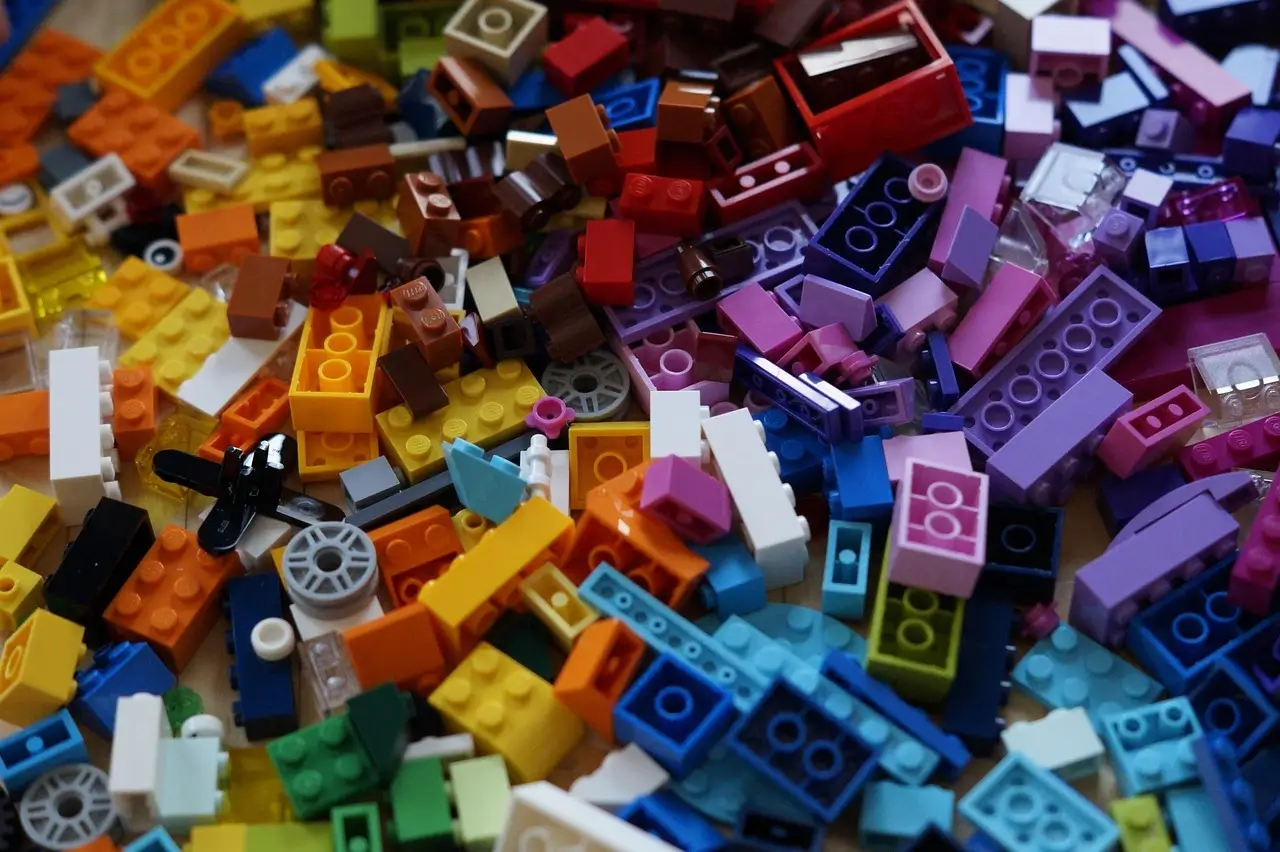
If you’re new to building with building block sets or looking to add a new brick building set to your collection, you might be wondering where to start. Building isn't just about completing a task; it’s about enjoying the creative process. For beginners, finding the right starting point is key, and understanding how to use these building sets effectively is essential. From setting up your workspace to choosing the right building block set, every step plays a role in shaping your experience. Let’s go over some helpful tips to get you started on your building journey.
Tools and Accessories You Might Need
When you start building with your building block set, the right tools and accessories can really enhance the experience. From my own experience, having the right equipment makes a big difference in how smoothly everything goes.
Many building sets come with special tools like small wrenches or brick separators, which are handy if you make a mistake and need to take pieces apart. A brick separator is especially useful for removing stuck pieces without damaging them. If your set doesn’t come with these tools, you can easily buy them separately.
Another essential tool is a baseplate. For larger or more complex builds, a baseplate gives you a stable foundation to work on. It helps prevent parts from shifting or falling apart, which is crucial when you’re dealing with intricate designs. I always recommend using one, especially for big projects, as it gives you more control and makes the process less frustrating.
Organization is key when building, so having storage options like small containers or organizers can really save you time. You can sort your building blocks by color or size, which makes finding the right piece much quicker. I find that when my blocks are organized, I can focus on the fun of building rather than spending time searching through a pile.
Lastly, if you're into customizing your builds, accessories like stickers, lights, or special pieces can add a personal touch to your creations. These little extras can turn a simple build into something unique and exciting, making the whole process even more enjoyable.
Having the right tools and accessories doesn’t just make building easier—it also makes it more fun. When everything is organized and accessible, I find my building sessions are more relaxing and enjoyable. So, before you dive into your next brick building set, make sure you have the essentials to make the experience as smooth and fun as possible.
Step-by-Step Building Process for Beginners
When I first started with building block sets, many people told me to take it step by step. I learned a lot from that, and today, I want to share how to build with your blocks, especially for beginners.
First, get your building block set ready. Check all the pieces to make sure you haven’t lost anything. Most sets come with a list of parts, which you can use to confirm everything is there. I like to sort the pieces by color, shape, or size to make it easier to find what I need.
Next, grab the instruction manual. Each set includes detailed building instructions, usually with images or diagrams to guide you. I enjoy following the manual because with every part I complete, I see progress. For beginners, it’s best to follow every step—each one is important.
Then, start building according to the instructions. Take a moment to inspect each new piece and think about how it fits with others. Sometimes it can be tricky, especially with small pieces, but if you follow the steps, it’ll be fun.
If you get stuck, don’t worry. It happens to everyone. I’ve found that taking it slow and staying focused helps a lot. If needed, you can always check a previous step to make sure you didn’t miss anything.
Finally, when you finish, take a moment to admire your creation. It’s a great feeling! With every set you complete, you get better at it.
For beginners, the process is simple—follow the steps and stay focused, and you’ll have your own building block creation. By taking it step by step, not only will your skills improve, but you’ll have fun too.
Tips for Overcoming Common Challenges
When I first started building with blocks, I quickly realized that challenges would pop up. No matter how simple the set, there are always a few hurdles. But don’t worry, these challenges are just part of the fun. Over time, I’ve learned some helpful tips that made things easier, and I’m sure they’ll help you too.
One common issue is finding the right pieces. I’ve learned that sorting pieces by color or size beforehand saves a lot of time. If you lose a piece, check the instructions and see if there’s an alternative you can use instead.
Another problem is getting the pieces to fit together. At first, it might feel like things just don’t fit. I found that taking my time and applying gentle pressure helped a lot. If something doesn’t feel right, I stop and check again. Patience is key.
Instructions can also be confusing, especially with more complex builds. When that happens, I step away for a bit and come back with a clear mind. Double-checking the images and instructions usually clears things up.
Balancing the build can also be tricky, especially with larger sets. I work from the base up, making sure each layer is stable before moving on to the next. It takes a bit longer, but it keeps the structure from becoming unstable.
Lastly, don’t be afraid of mistakes. I made plenty when I started, but each one taught me something new. If something’s wrong, take it apart and try again. It’s all about learning and improving.
So, when you hit a challenge, don’t get discouraged. Every mistake is a chance to get better. Stay patient, keep building, and soon you’ll be creating amazing things!
Basic Building Techniques
For beginners, mastering some basic building techniques is crucial. Here are a few tips that I believe are the most useful and will help you start building blocks with confidence and ease.
1.Proper Placement of Blocks When I started, I learned to always check if each block is aligned. Randomly placing blocks can cause instability. I make sure each piece is properly aligned before locking it in place, especially for complex builds.2.Understanding How Blocks Connect Building blocks isn’t just about stacking them. Each block has a specific way it fits with others. I make sure the blocks are tightly connected and that the seams are flat. This avoids gaps and ensures a stronger structure.
3.Stability Check
Whether I’m building a tall tower or a different structure, stability is crucial. After adding a few layers, I always check for wobbling. If the structure feels unstable, I adjust the layers and make sure everything is secure. This is especially important for tall builds, as a weak base can cause the whole structure to collapse.
4.Build from the Bottom Up
I used to try building from the top, thinking it would be faster, but this often led to an unstable structure. The best approach is to start at the bottom and work upwards. The base is the most important part. Once it’s solid, the rest of the build will be more stable.
5.Use the Right Tools
While the blocks themselves are key, I’ve learned that using additional tools can make building easier. A flat tool helps check if each layer is aligned, while tweezers are great for placing smaller parts precisely.
6.Be Patient It might not be a traditional building technique, but patience is just as important. Building blocks requires time and attention. I’ve learned not to rush. If I run into a challenge, I take a break, reassess, and then continue. It helps me stay focused and find the right solution.
These basic techniques are the foundation for any beginner. With practice, you’ll learn advanced skills, but these fundamentals will always be helpful. I hope these tips work for you as they did for me, and I wish you a fun and rewarding building experience!
Creative Inspiration and Advanced Techniques
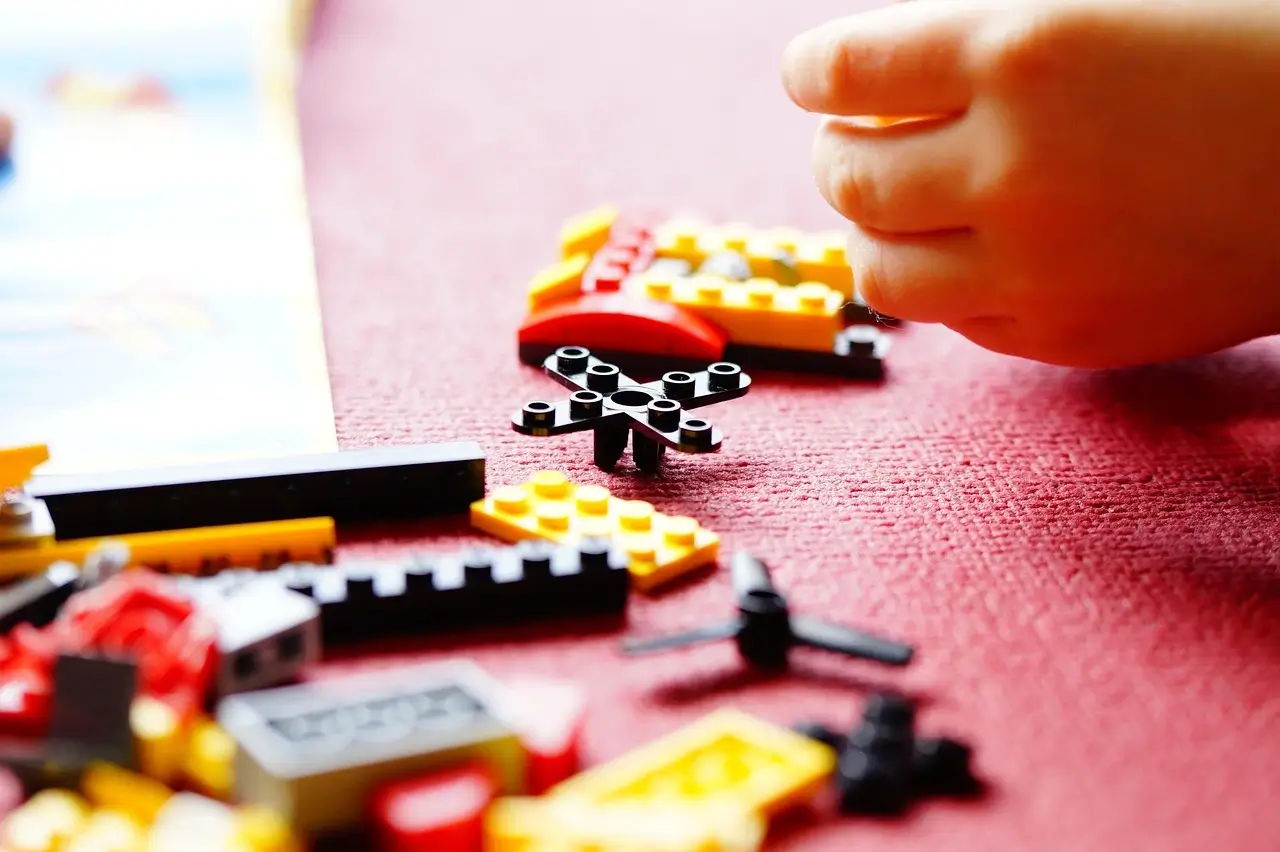
Once you’ve mastered the basic building techniques, you might be eager to take on more creative and complex projects. Building blocks aren’t just about following step-by-step instructions. They can be a canvas for showcasing your personality and creativity. Whether it’s adding intricate details, using different color combinations, or altering the structure’s layout, there are endless ways to explore new designs. Next, I’ll share some creative inspiration and advanced techniques to help you push your limits and dive into more challenging builds.
What Is MOC?
As you advance in building skills, MOC (My Own Creation) becomes a fantastic way to express your creativity. MOC is all about showcasing your personal style and imagination, breaking away from the limitations of standard building sets.
What makes MOC so exciting is that it offers complete freedom. Unlike typical sets with fixed designs, MOC allows you to create whatever you can imagine. Whether it’s a city, machine, or fictional scene, you have no set rules—only your creativity to guide you.
For beginners, MOC may seem complex, but with practice, it becomes one of the most fun aspects of building. It challenges not only your technical skills but also your design thinking. You learn how to combine blocks in innovative ways, use colors and proportions creatively, and add intricate details.
When I start a MOC project, I often mix parts from different sets to create something unique. For example, I might blend traditional city elements with futuristic ones, adding a whole new dimension to my build. MOC is as much about conceptualizing ideas as it is about the physical construction.
A successful MOC isn’t just about technical skill. It’s about problem-solving and showing off your creativity. Whether adjusting angles or changing piece shapes, I experiment until I find the right balance. This process improves my skills and deepens my understanding of how the pieces work together.
For experienced builders, MOC is an excellent way to challenge yourself. It pushes you to try new techniques and expand your creative possibilities. Every time I finish a MOC project, I feel a great sense of accomplishment.
Whether you’re a beginner or experienced builder, MOC brings endless fun. It’s more than an advanced technique—it’s the best way to express your personal creativity. If you’re ready to move beyond traditional sets, MOC is worth trying. You’ll be amazed at what your creativity can achieve!
Progressing to More Complex Builds
Moving beyond simple models and taking on more advanced designs is exciting. I remember when I first started experimenting with bigger and more detailed projects, it felt overwhelming. But step by step, I figured out how to work with different building sets and improve my skills.
Exploring Advanced Structures
As I started working on more detailed brick building sets, I noticed that stability and balance became more important. Simple towers and houses were easy to put together, but when I attempted more intricate designs like multi-story buildings or moving parts, things got tricky. I had to think about weight distribution and how different sections of the building block sets connected. Using a solid foundation made a big difference in keeping everything stable.
Using Specialized Pieces
At first, I only used standard bricks, but I quickly realized that adding curved, sloped, and hinged pieces created better results. When I built a vehicle, using special connectors and rotating elements helped bring my design to life. Brick building sets often come with these extra pieces, and learning how to use them can make any creation look and function much better.
Layering for Depth and Detail
Adding layers changed everything for me. Instead of flat walls, I started adding extra details like window frames, textured surfaces, and decorative elements. By stacking different sizes of bricks in a way that created depth, my building block set creations started looking more realistic. Small details, like different colored bricks to add contrast or patterns, made a huge impact.
Tackling Moving Parts
One of the most exciting moments was when I learned to add movement to my designs. Some building sets include gears, axles, and hinges, allowing doors to swing open or wheels to turn. At first, these mechanics seemed complicated, but I found that experimenting with small adjustments helped me understand how they worked. Once I got the hang of it, I started adding moving features to many of my models.
Learning from Others and Trying New Ideas
I improved my skills by studying other people’s builds and trying to recreate them. Whether looking at instructions from a building block set or watching other builders’ creations, I picked up new techniques and applied them to my own designs. Each time I built something new, I pushed myself to add an extra layer of detail or a new function.
Moving into more complex designs takes patience and practice, but it’s worth it. By experimenting with different styles, using unique pieces, and improving stability, any builder can create something amazing. Every project teaches something new, and every mistake is a chance to learn.
Joining the Building Block Community
Building on my own was fun, but joining a community made the experience even better. When I first started collecting building sets, I had plenty of ideas but wasn’t sure how to improve my skills. Once I started connecting with other builders, I discovered a whole new world of creativity.
Connecting with Other Builders
I was surprised by how many people share a passion for building block sets. Whether through online forums, social media groups, or in-person events, I found a place where builders share their work, exchange techniques, and inspire each other. Seeing how different people use the same brick building set in unique ways always gives me new ideas.
I love sharing my own builds and getting feedback. Sometimes, a small suggestion from another builder helps me see my project from a new perspective. It’s amazing how a fresh idea can take a building block set in a completely new direction.
Learning from Experts
Experienced builders are always sharing their techniques. There are tutorials, guides, and step-by-step breakdowns online that help me solve tricky building challenges. Watching others use different methods to construct detailed models has taught me a lot about how to make the most of my building sets.
Many communities also host competitions and creative challenges. The first time I participated, I was both excited and nervous, but it turned out to be one of the best ways to push my skills further. These events helped me meet other fans of brick building sets, and I learned so much from seeing their work.
Giving Back to the Community
Being part of a community isn’t just about learning—I also enjoy helping newcomers discover the world of building block sets. When I see someone struggling with a build, I like offering advice or encouraging them to experiment with new techniques. Seeing them gain confidence makes the experience even more rewarding.
Building is more than just assembling bricks—it’s a creative outlet and a way to connect with others. Whether chatting online or attending events, joining the building block sets community has made my building journey much more exciting.
Conclusion
Building with blocks isn’t just a fun activity; it’s a great way to spark creativity, enhance problem-solving skills, and improve hands-on abilities. Every basic building set can be the start of exploring new creative ideas. Starting with simple builds, you'll gradually gain more skills and challenge yourself with more complex projects. The beauty of building blocks lies in their endless possibilities. Whether you're a beginner or already have some experience, there’s always something new and exciting to try.
I hope you enjoy every moment of your building journey and create your own unique pieces. As you dive deeper into the world of building blocks, you'll find opportunities to connect with other enthusiasts, learn new techniques, and share ideas. This will make your journey even more rewarding and fun. To continue exploring and pushing your creative limits, be sure to check out our full collection of building sets. Wishing you all the best as you keep building and making your creations come to life!
Frequently Asked Questions (FAQ)
What are the best building blocks for beginners?
Start with simple building block sets that offer clear instructions and a variety of basic pieces. These sets are perfect for beginners and help you learn fundamental building techniques, setting a solid foundation for more complex projects later on.
Can I mix pieces from different brands?
Yes, most building blocks are compatible. Mixing pieces can enhance creativity and allow you to build unique designs.
How long does it take to build a set?
The time required depends on the complexity of the set. Simple sets may take one to two hours, while larger ones could take a few days. As you gain more experience, you'll finish faster.
How should I store and organize my building blocks?
You can store your blocks in containers or drawers, sorting them by size or type. Stackable storage boxes are great for larger sets, helping to keep everything tidy.
How to maintain and clean building blocks?
To clean building blocks, use warm water and a mild detergent with a soft cloth. Keep them dry, store in a cool place, and organize them to prevent damage.